

4 days
Daily Tour
20 people
English, Espanol, Francais, Japanese, Vietnamese
Explore the beauty of Banda Neira on an adventurous 4-day trip! Begin your journey by boarding a speedboat to Banda Neira, an island rich in history and natural beauty. Upon arrival, enjoy a delicious local lunch, then relax in your comfortable accommodation before savoring the island’s unique cuisine. Day two begins with a rare and captivating dolphin watching experience, a rare and captivating experience. Continue your adventure with island hopping to Hatta Island, where you can snorkel among pristine coral reefs, then visit the mysterious Bat Cave and Sjahrir Island, which offers breathtaking natural scenery. On day three, you’ll have the opportunity to explore the village of Lonthoir, which still maintains local traditions and culture, and enjoy the natural beauty of abundant spices. Don’t miss the opportunity to dive at Lava Flow, an exotic snorkeling spot formed by a volcanic eruption. Afterward, visit Banda Neira’s historical sites and the legendary Belgica Fort, while enjoying a breathtaking sunset. Your final day will end with unforgettable memories, with every moment captured by a professional photographer. Discover the hidden charms of Banda Neira and live an experience you will always remember!
"A small, vital archaeological museum showcasing the dramatic history of the Banda Islands. It features an antique collection of historical artifacts, colonial relics, and compelling paintings—including depictions of the dark history of the 17th-century spice wars and the Dutch genocide—providing an essential, deep dive into the region's cultural and historical legacy."
"This modest house was the second residence for Sutan Sjahrir, Indonesia's first Prime Minister and a prominent intellectual, during his political exile by the Dutch (1936-1942). It stands as a powerful symbol of 'intellectual struggle' against colonialism. During his time here, Sjahrir engaged with locals and, along with Mohammad Hatta, established a renowned Sore School (Afternoon School) to educate Banda Neira's children."
"A striking colonial-era church, rebuilt in 1852 after an earthquake, that embodies Banda's Dutch heritage. The church is famous for its unique floor paved with over 30 elaborate, centuries-old Dutch gravestones belonging to governors, nutmeg planters (Perkeniers), and VOC officials who died on the island, offering a solemn glimpse into the colonial administration of the Spice Islands."
"A historic monument located in the town square, erected by the local community (Rakyat Banda) on December 27, 1949. This monument was built to commemorate the formation of the United States of Indonesia (RIS), symbolizing the Banda people's joy and support for Indonesia's independence and sovereignty following the transfer of power from the Dutch."
"The first major Dutch fort in the Banda Islands, completed in 1609. Built strategically to control the highly lucrative nutmeg trade, Fort Nassau served as the Dutch administrative center but is infamously known as the site where the foundation for the brutal 1621 Banda Massacre was laid. Today, it stands mostly in picturesque ruin, overgrown by vegetation, offering an atmospheric and raw view of colonial history directly below the more imposing Fort Belgica."
"A somber and highly significant monument marking the darkest chapter of Banda's history: the 1621 Banda Massacre perpetrated by the Dutch VOC under Jan Pieterszoon Coen. This well is the site where the mutilated remains of 44 esteemed Bandanese leaders (Orang Kaya) were reportedly thrown after their brutal execution by Japanese mercenaries working for the Dutch. Today, the site features a stone monument inscribed with the names of the victims, serving as a powerful, chilling reminder of the genocide carried out to secure the global nutmeg monopoly."
"A grand and imposing colonial mansion built in the 1820s, which served as the official residence and administrative headquarters for the Dutch Contrôleur (Governor/Inspector) of the Banda Islands. Although its name translates to 'Mini Palace,' the building is a significant architectural landmark, featuring enormous granite slabs, brightly tiled floors, and high ceilings, reflecting the wealth and power derived from the nutmeg monopoly. Though largely unfurnished today, it offers visitors a tangible sense of the scale and style of Dutch colonial enterprise in the remote Spice Islands."
"A crucial site in Indonesia's struggle for independence. This simple colonial house was the political prison where Mohammad Hatta (later the first Vice President of Indonesia) was exiled by the Dutch from 1936 to 1942, alongside other nationalist figures like Sutan Sjahrir. Despite the isolation, Hatta used his time to read, write extensively, and establish a 'Sore School' (Afternoon School) to educate local Bandanese children, demonstrating resilience and unwavering commitment to nation-building. The house is now a museum displaying original artifacts and Hatta's personal effects."
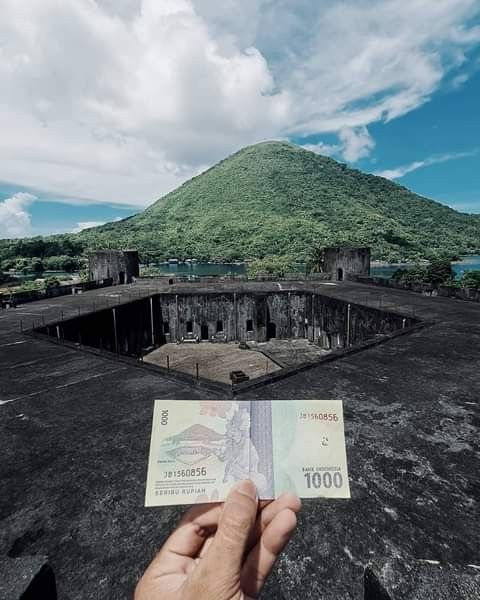
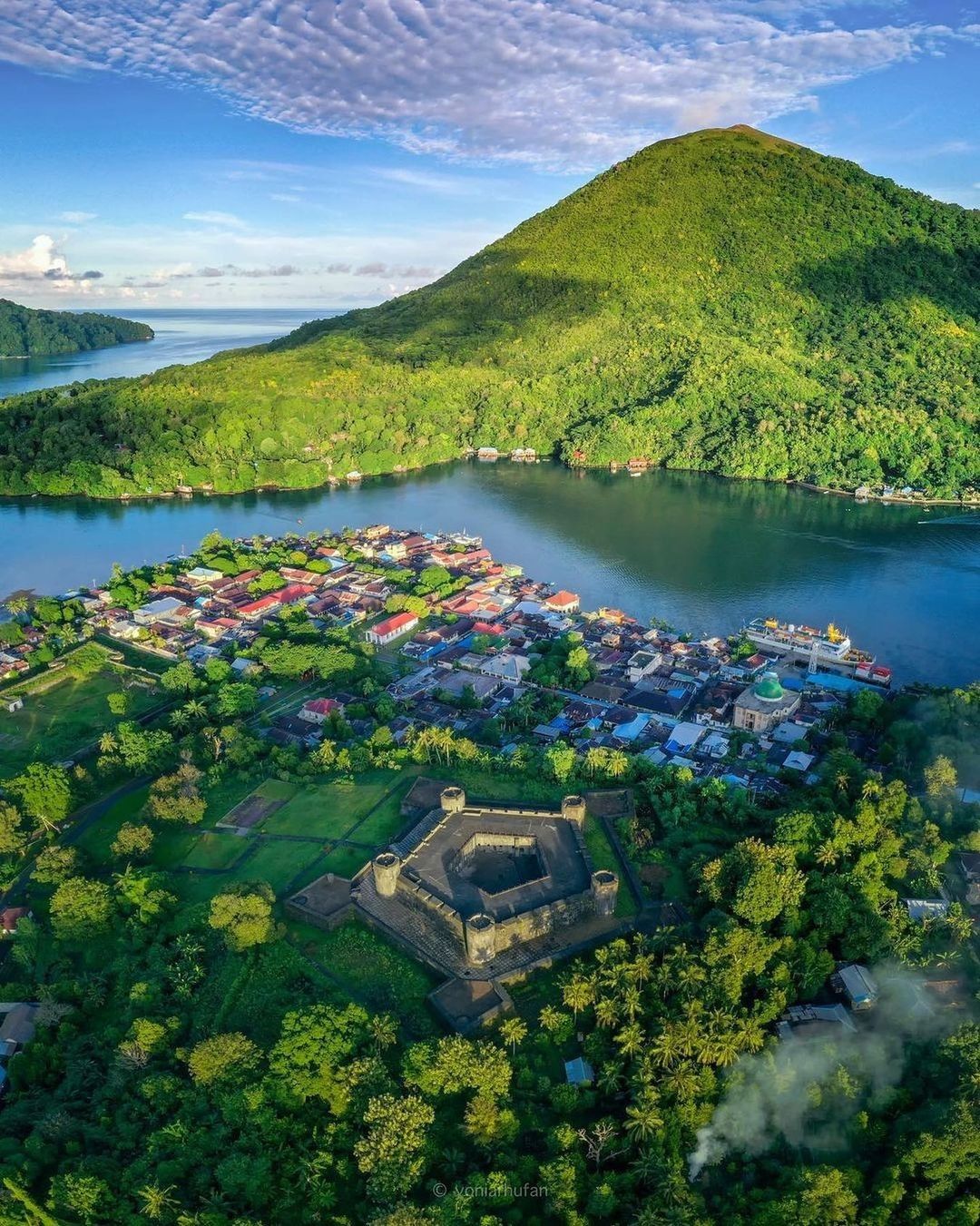
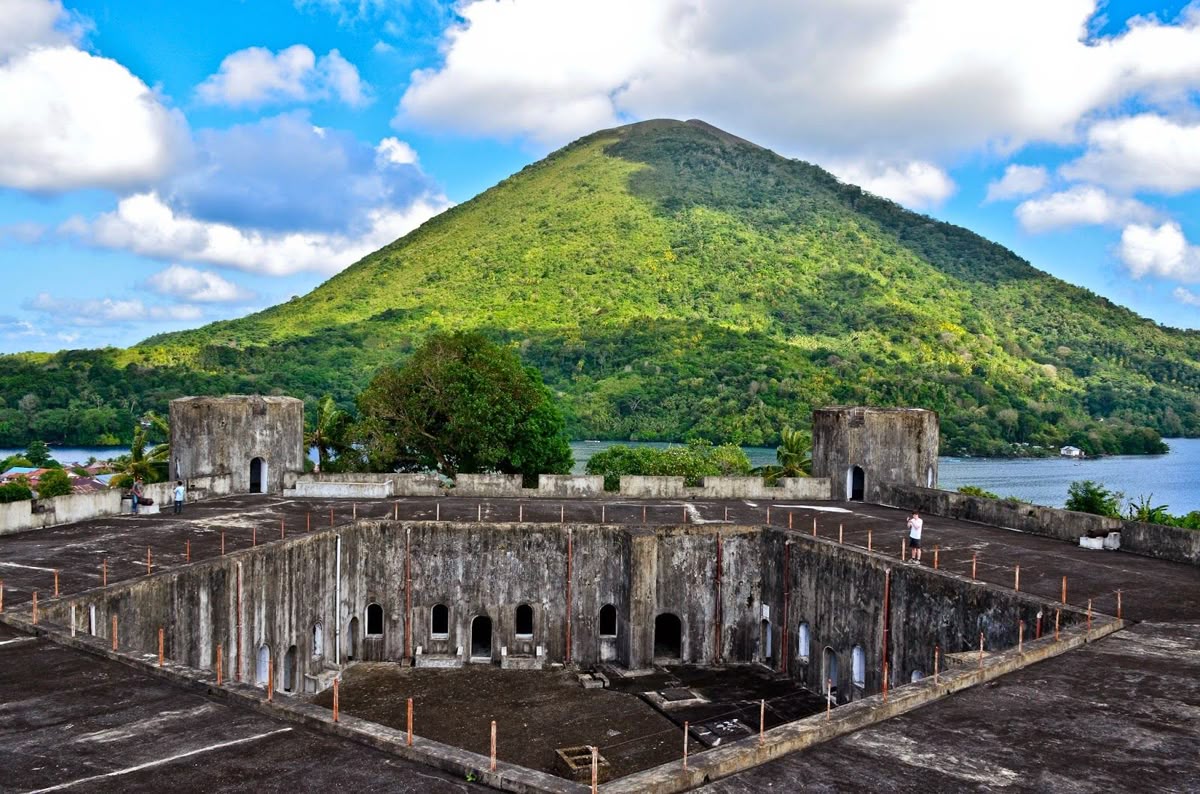
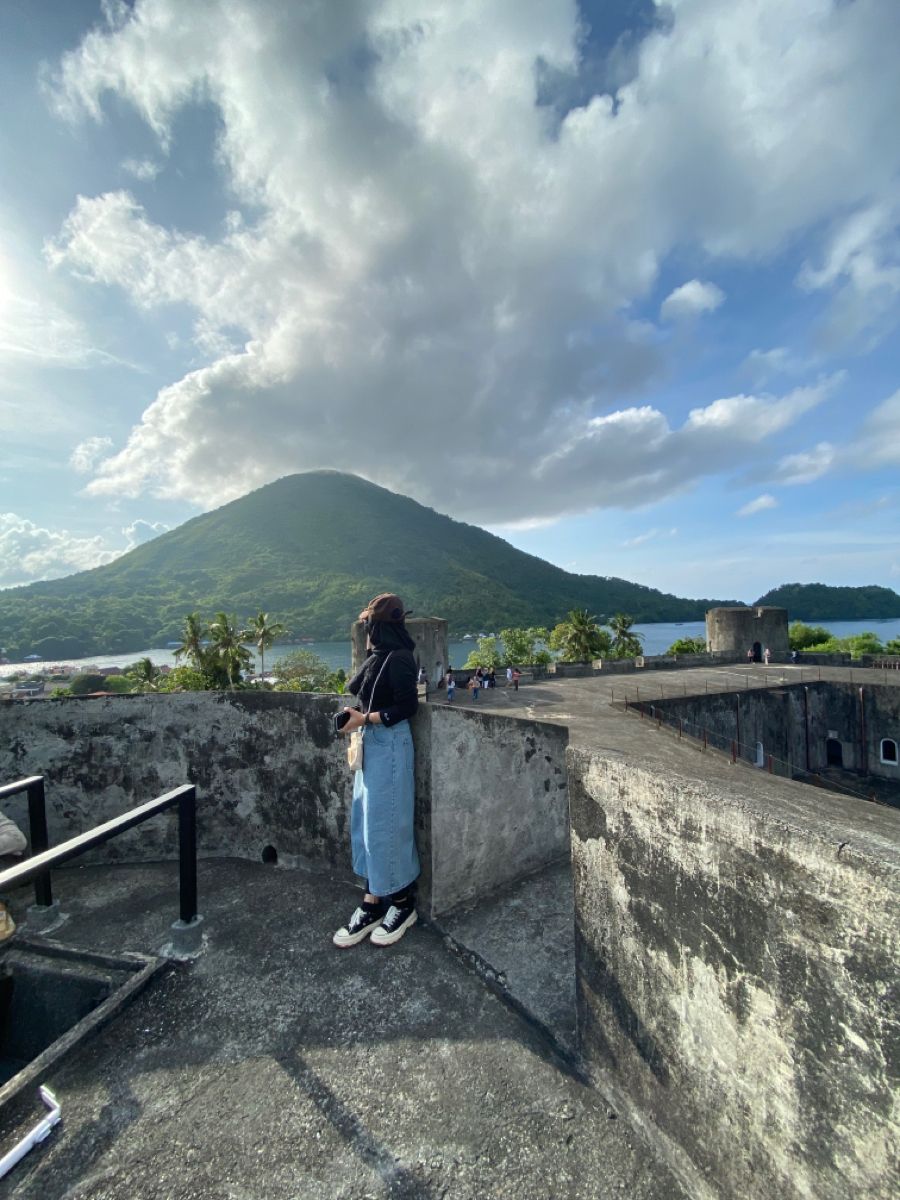
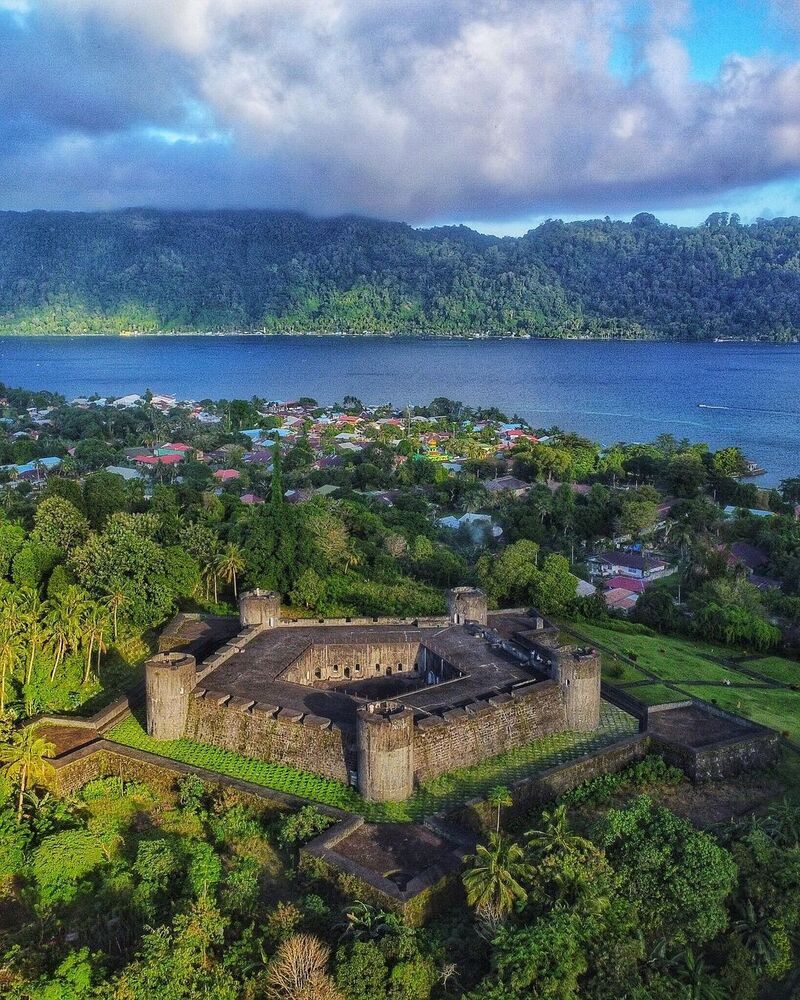
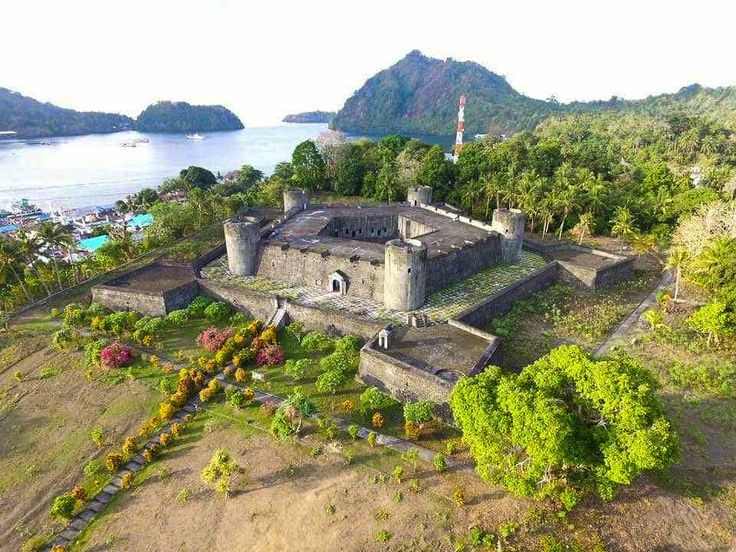
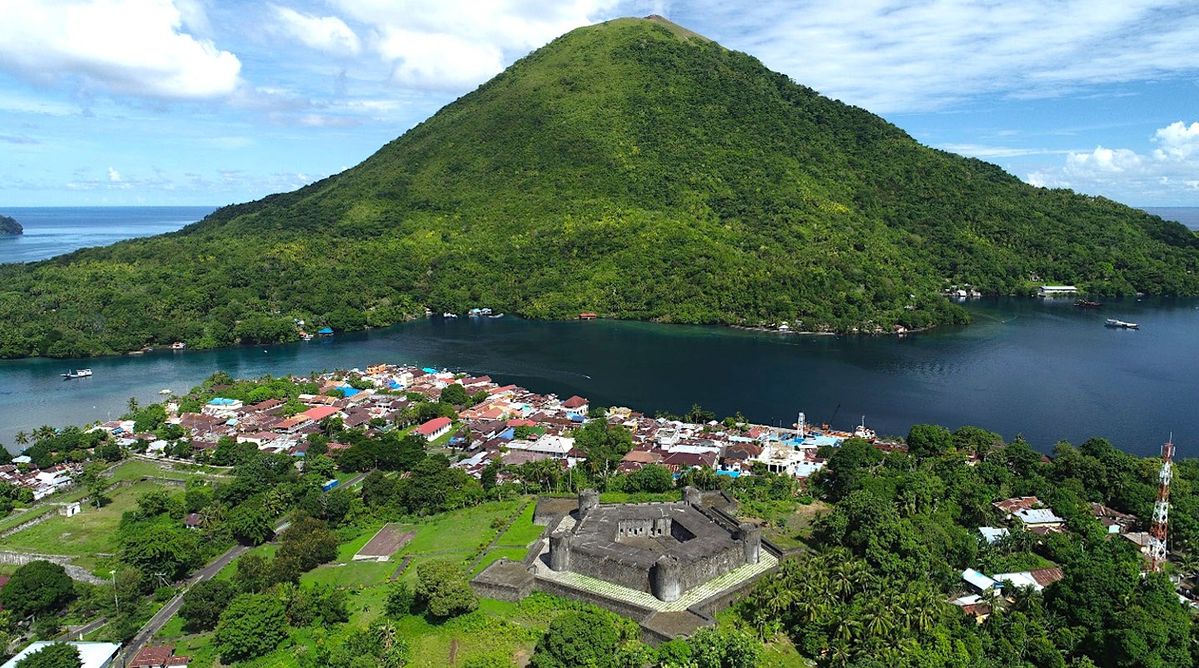
"The most iconic and well-preserved Dutch fortress in the Banda Islands, designated as part of the UNESCO World Heritage Tentative List. Built by the Dutch VOC, its current impressive pentagonal, star-shaped design was completed in 1673 to consolidate Dutch military power and safeguard the nutmeg monopoly, towering above the earlier Fort Nassau. A climb to the top of its sturdy stone walls rewards visitors with a stunning, panoramic view of Banda Neira town, the vast Banda Sea, and the dramatic Gunung Api volcano."
As you explore Lonthoir, remember you are walking through the most fiercely contested piece of land in colonial history. The nutmeg plantations on Banda Besar were the source of a global monopoly for centuries. The Dutch East India Company (VOC) established a brutal plantation system here after the Banda Massacre of 1621, which tragically decimated the indigenous Orang Kaya (local magnates) population. The fortresses and plantation ruins you see are direct, physical remnants of the quest for "white gold"—a spice once literally worth its weight in gold.
"Located high in the traditional village of Lonthoir on Banda Besar, this site is a pair of centuries-old twin wells regarded as sacred by the local community. Known locally as Parigi Pusaka or Perigi Kramat, the well is a cultural and spiritual focal point, believed never to run dry even during the longest droughts. The well’s deep significance is celebrated through the rare and highly sacred 'Cuci Parigi Pusaka' ritual (Washing the Sacred Well), which is performed only once every 7 to 10 years to cleanse the well and spiritually purify the Lonthoir village."
"A deep dive into the historical heart of the Spice Islands. The Banda Archipelago was the world’s only source of nutmeg and mace, making the plantations—known in the Dutch era as perken—the single most valuable piece of real estate on Earth."
"This is a powerful, yet sobering, historical monument located in Lonthoir, Banda Besar. The Batu Berdarah, or 'Blood Stone,' is a large black stone, approximately 1.5 meters in size, which marks the location of a pivotal and tragic covenant between the Bandanese people and the Dutch."
"Located within or near the traditional village of Lonthoir on Banda Besar, this colonial graveyard, particularly the tomb of 'Nona Lanzues,' offers a poignant and personal glimpse into the lives of the Dutch Perkeniers (plantation owners) who managed the nutmeg monopoly."
"Situated strategically on a hill high above the village of Lonthoir on Banda Besar, Benteng Hollandia was a major Dutch fortress, providing a commanding view of the nutmeg groves and the vital sea lanes connecting Banda Besar and Banda Neira."
"This is a symbolic local term, most often used to refer to the Nutmeg Tree (Myristica fragrans) itself, or sometimes the towering Kenari (Tropical Almond) Tree that shades it. The name reflects the tree’s overwhelming historical and economic importance, as it sustained the local Bandanese people and drew millions of people (traders, soldiers, colonists, and slaves) to its shores."
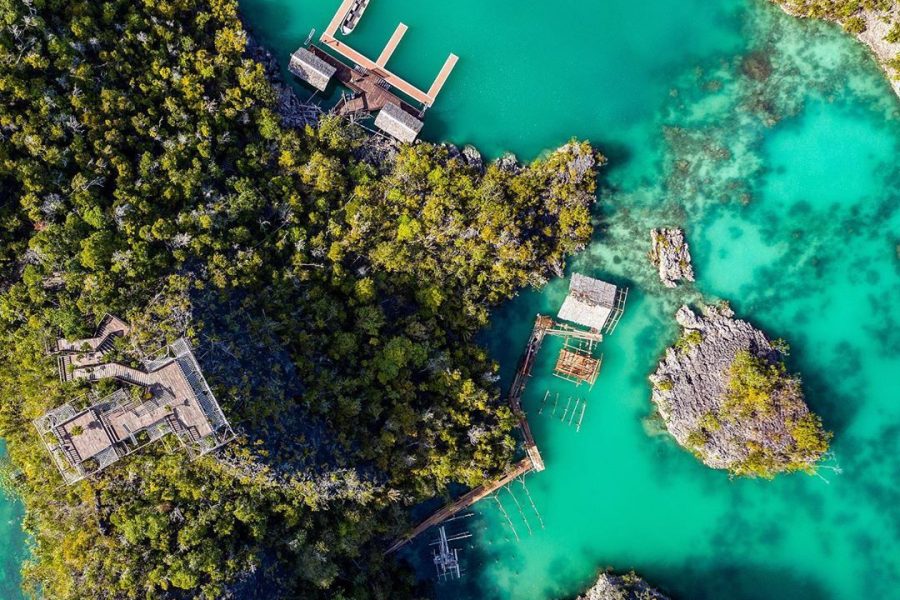
Pulau Sjahrir (formerly known as Pisang Island, or 'Banana Island') is a tiny, stunningly beautiful island located approximately 30 minutes by boat from Banda Neira. It is a premier spot for marine exploration, known for its pristine white-sand beaches and world-class underwater biodiversity.
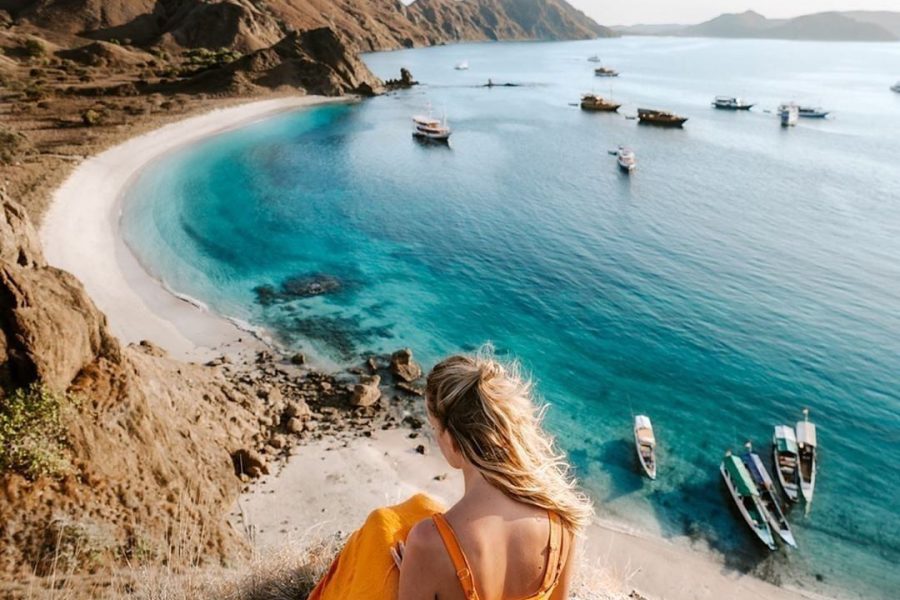
"Pulau Nailaka is a small, uninhabited gem located just north of Pulau Rhun (Run Island). It is renowned for its powdery white-sand beach and incredibly clear, shallow waters, making it one of the most beginner-friendly and photogenic snorkeling spots in the Banda Islands."
"The Banda Sea is part of the world's deep-sea migration route for large pelagics, including dolphins and whales. Dedicating the morning to a dolphin-watching tour on the open sea is a thrilling way to start your day, before returning to the reefs for snorkeling."
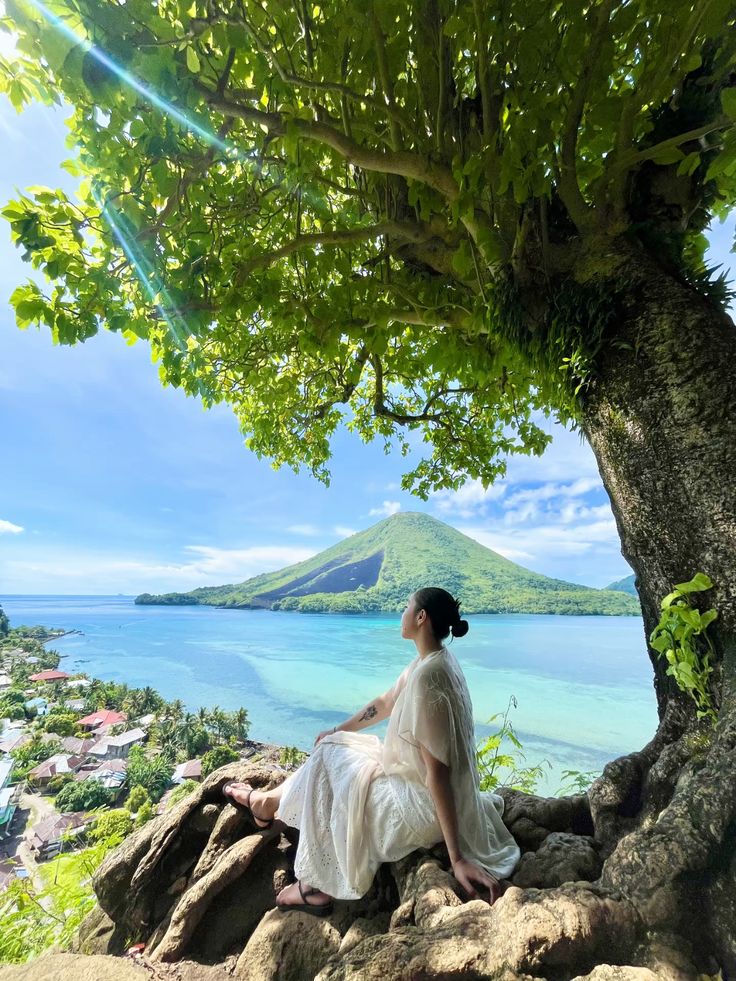
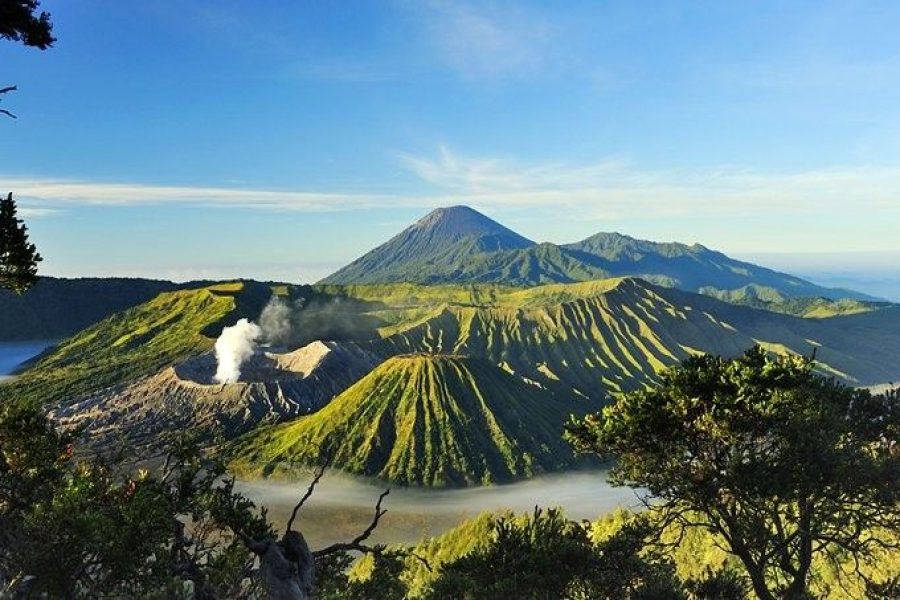
An active volcano towering at 640 masl directly across from Banda Neira. The trail is steep with loose gravel/sand, making it a physical challenge (2-3 hours climb).
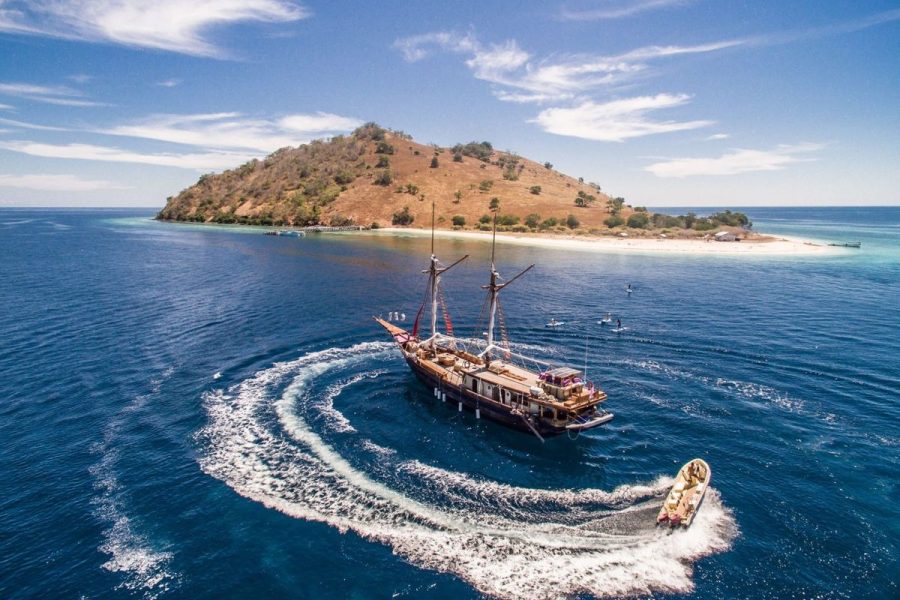
Keraka Island is typically the first stop for snorkelers due to its easy accessibility and location near Banda Neira and the Banda Api Volcano. This small, uninhabited island is prized for its pristine visibility and unique underwater environment. Snorkelers here can admire beautiful, dense coral coverage growing around distinctive submarine rock formations and boulders that line its coast. It serves as an excellent warm-up dive before moving on to the more famous Lava Flow and the remote Hatta Island.
The trip is completed in 4 days and 3 nights, the 4th day is the last day in Banda Neira, after checking out of the hotel and shopping for souvenirs, we will return to the airport/harbor and then return to our respective places.

Member Since 2025

Leave a review